arcadian apartments

The Rise of Arcadian Apartments: A New Trend in Shared Living and Online Opportunities
In recent years, a unique housing model has captured the attention of Americans seeking innovative ways to blend community, affordability, and income potential. Arcadian apartments are at the center of this buzz, offering a modern twist on communal living tailored for the digital age. These setups are popping up in major U.S. cities, drawing in remote workers, entrepreneurs, and content enthusiasts who want more than just a place to crash—they crave collaboration and shared success.
Why now? The gig economy boom, accelerated by the pandemic, has millions rethinking traditional housing. With platforms enabling passive income from home, arcadian apartments provide a structured environment to maximize those opportunities. Searches for arcadian apartments have spiked, reflecting curiosity about this blend of lifestyle and livelihood. If you're exploring flexible living options amid rising rents and remote work trends, this could be worth understanding.
Why Arcadian Apartments Are Gaining Attention in the US
Arcadian apartments tap into several converging trends reshaping American life. First, housing costs in urban hubs like Los Angeles, Miami, and Austin have soared, pushing people toward shared models that cut expenses by 30-50% compared to solo rentals.
Economically, the creator economy—valued at over $100 billion—fuels interest. Residents often leverage online platforms for group projects, turning living spaces into hubs for collaborative ventures. Culturally, younger generations prioritize experiences over ownership, favoring vibrant communities that foster networking and skill-sharing.
Digital shifts play a role too. High-speed internet and social algorithms reward consistent, team-based content, making arcadian apartments ideal for those building online presences. Media coverage and viral stories have amplified visibility, positioning them as a smart, forward-thinking choice in a post-pandemic world.
How Arcadian Apartments Actually Work
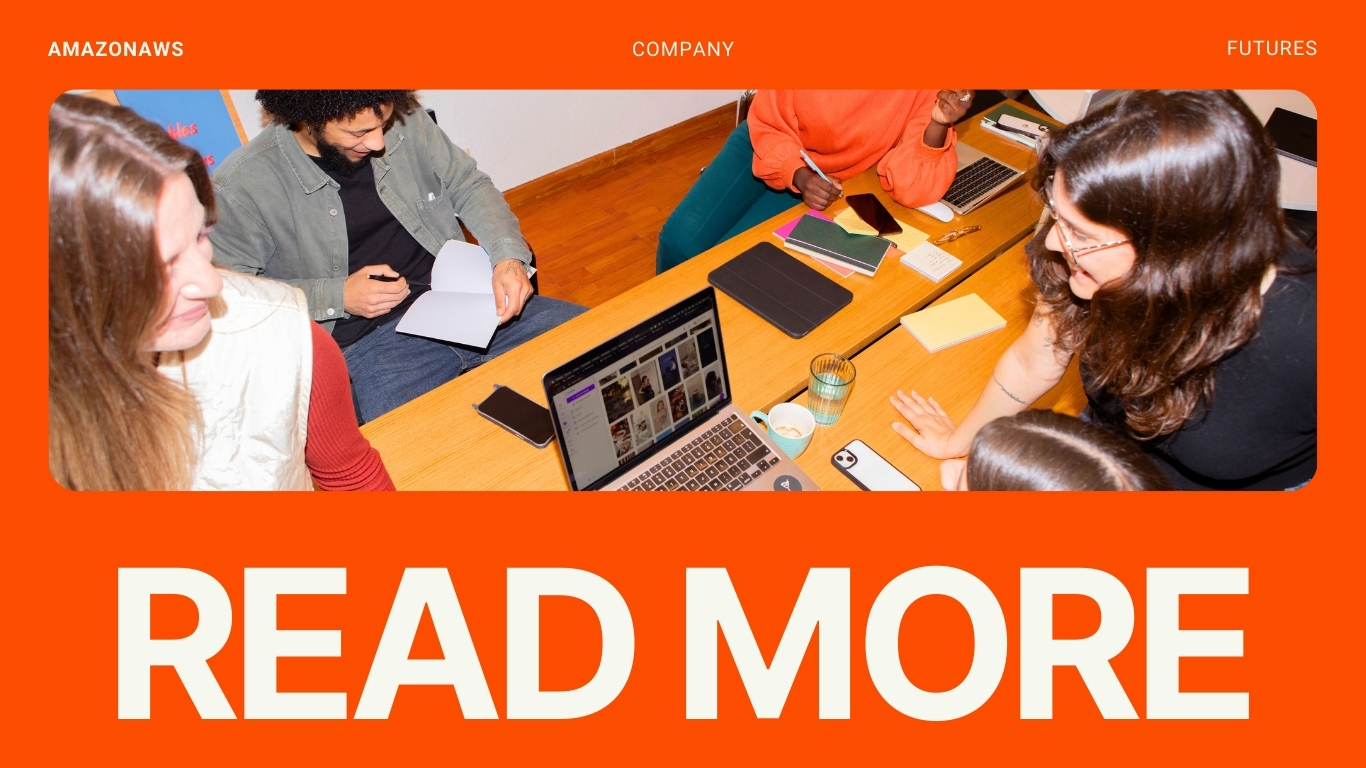
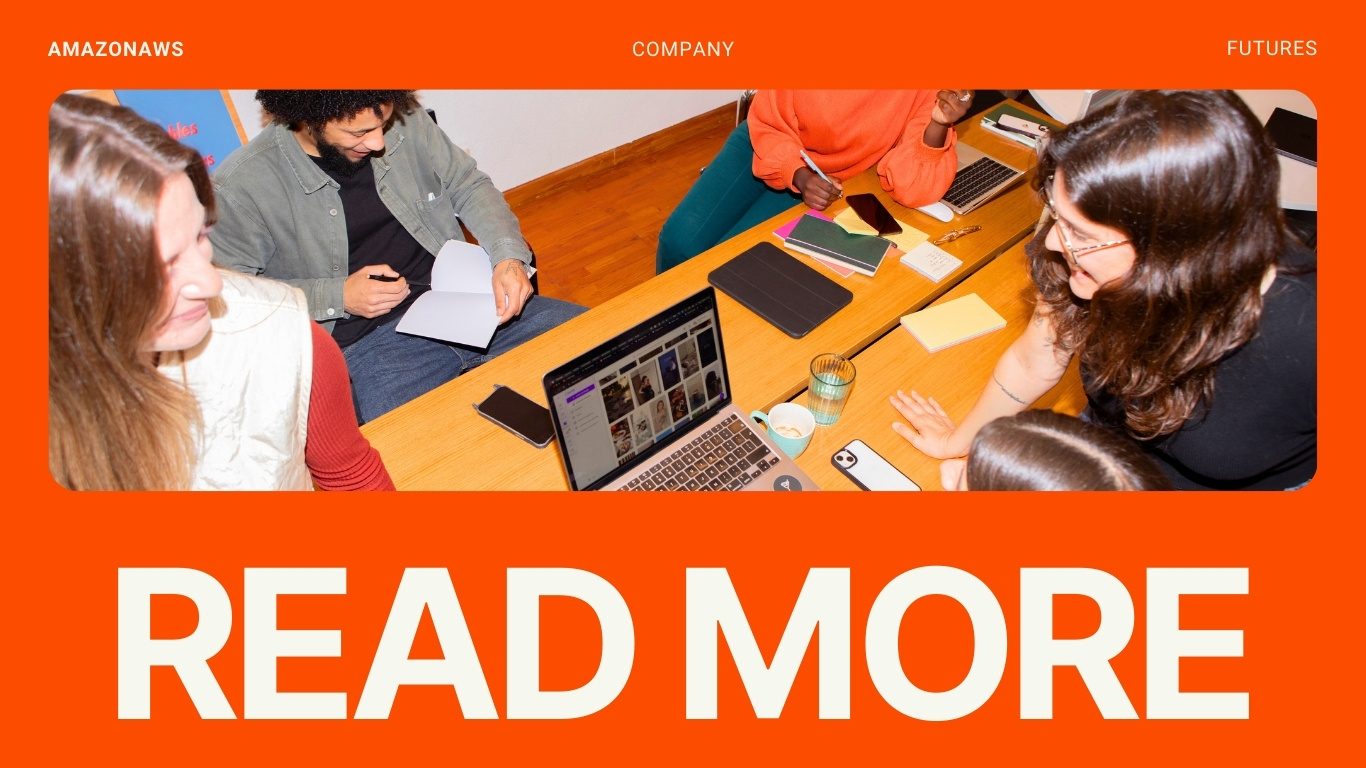
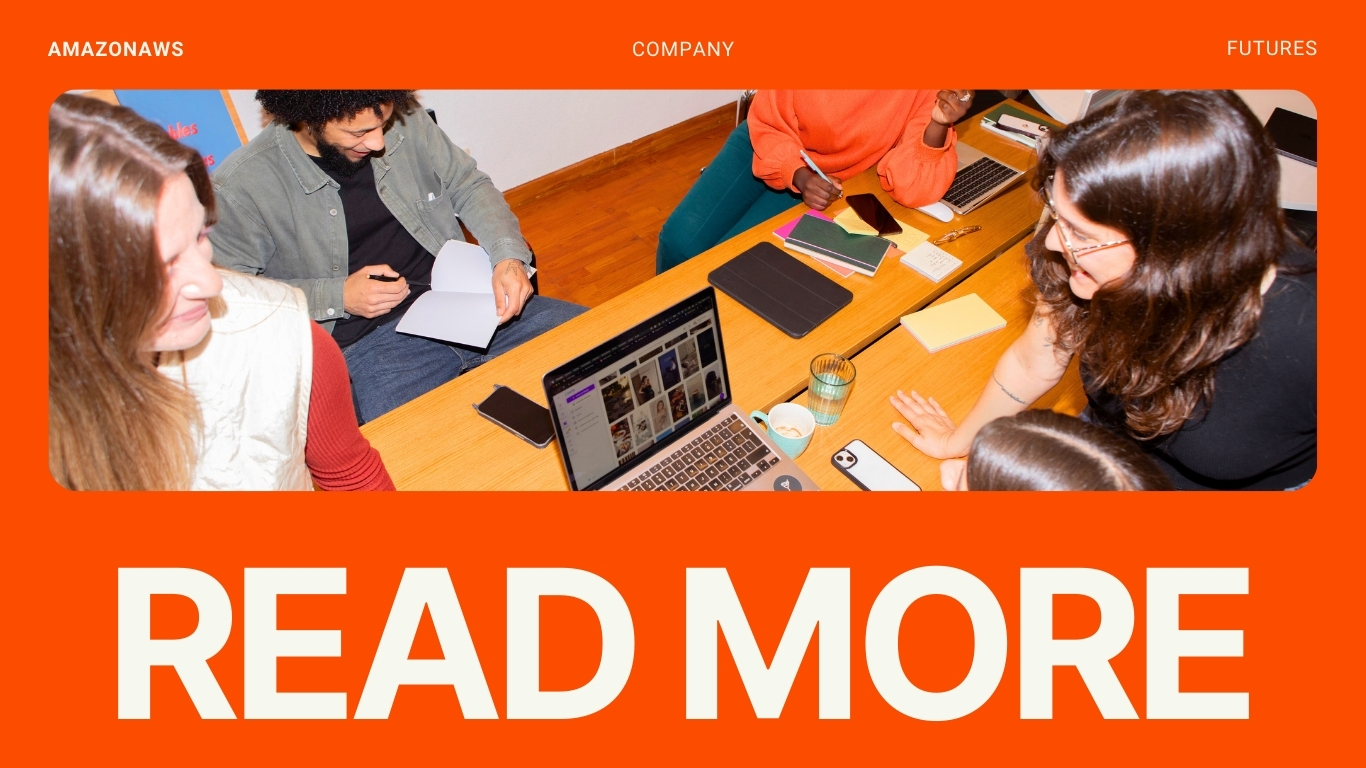
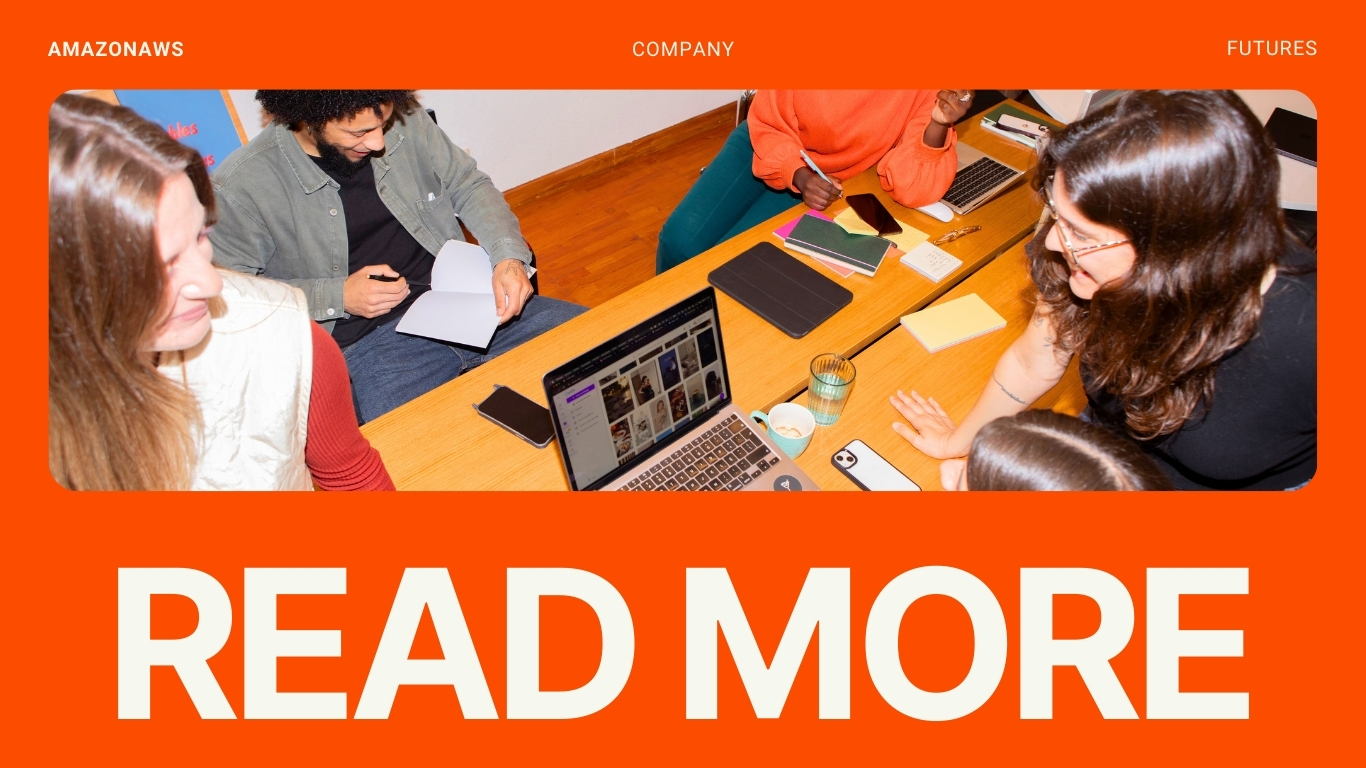
At its core, an arcadian apartment is a shared rental property designed for multiple occupants who collaborate on professional goals, often centered around digital content or remote work. Properties are typically leased long-term by a managing entity, then subdivided into private rooms with communal areas like kitchens, lounges, and workspaces.
Operations involve a simple agreement: residents contribute to rent, utilities, and maintenance via monthly fees, often starting at $1,200-$2,500 per person depending on location and amenities. Collaboration happens organically—group brainstorming sessions, shared resources like cameras or editing software, and pooled marketing efforts on platforms.
Management handles logistics, from Wi-Fi upgrades to event hosting, ensuring a professional vibe. Income flows through individual or collective online endeavors, with transparency on shared expenses. It's not a free-for-all; vetted applicants commit to house rules promoting productivity and respect.
Common Questions People Have About Arcadian Apartments
What Exactly Qualifies as an Arcadian Apartment?
These are purpose-built or adapted multi-unit residences emphasizing community-driven income strategies. Unlike standard roommates, they prioritize aligned goals, often with dedicated content studios.
How Do You Join or Start One?
Most arcadian apartments recruit via online applications reviewing skills, references, and fit. Starting your own requires scouting properties, legal leases, and group buy-in—platforms like Discord or Facebook groups facilitate connections.
Are There Age or Background Requirements?
Typically open to adults 18+ with verifiable online experience. Diversity is encouraged, but compatibility in work styles is key during interviews.
What's the Average Cost and Duration?
Expect $1,500/month all-in for prime spots, with 6-12 month minimums. Savings come from bulk deals and no-furniture hassles.
Opportunities and Considerations
Arcadian apartments offer clear upsides: cost efficiency, built-in networking, and amplified earning potential through collaborations. Residents report 20-40% higher platform growth rates due to cross-promotion. Access to mentors, equipment, and trends accelerates skill-building.
On the flip side, shared living means compromises—noise, privacy trade-offs, and group dynamics. Not everyone thrives in high-energy environments, and income isn't guaranteed; it demands consistent effort. Location matters; coastal cities offer buzz but higher costs.
Realistic expectations: Treat it as a launchpad, not a shortcut. Success stories highlight discipline, while exits are common for those pivoting lifestyles.
Things People Often Misunderstand
A big myth is that arcadian apartments are party pads—they're structured workspaces with schedules and accountability. Another misconception: easy riches. Growth requires strategy, not just residency.
People assume exclusivity to certain niches, but they're adaptable for various online pursuits. Legally, they're standard rentals with subleases, not communes—taxes and contracts follow U.S. norms. Finally, turnover is normal; it's a stepping stone, not permanent.
Who Arcadian Apartments May Be Relevant For
Digital nomads testing U.S. cities fit well, as do solo entrepreneurs scaling content. Recent grads entering the gig economy find them affordable entry points. Remote teams or freelancers benefit from the collaborative edge.
Parents exploring family-friendly variants (rare but emerging) or mid-career shifters seeking reinvention might explore too. It's ideal for those valuing community over isolation, especially in transient job markets.
Next Steps for Exploring Arcadian Apartments
If this sparks interest, start by researching local listings and communities online. Join neutral forums to hear real experiences, assess your goals, and weigh fit. Knowledge is power—dive deeper to see if it aligns with your path.
Conclusion
Arcadian apartments represent a pragmatic evolution in U.S. housing, merging affordability, community, and digital opportunity in one package. As trends like remote work solidify, they offer a viable option for curious individuals ready to collaborate. Approach with eyes open: the potential is real, grounded in effort and strategy. Whether you're browsing for inspiration or seriously considering a move, staying informed positions you ahead in this dynamic landscape.